Research
What we do
We study how and why the human body is the way it is in both the field and the laboratory. Much of our research focuses on physical activity and how it relates to human biology and health.
Evolutionary Anatomy and Physiology
We study the biology and evolution of human physical activity by developing and testing biomechanical, physiological and developmental models. Important physical activities we focus on include (but are not limited to) walking, running, carrying, and chewing. We are especially interested in how these activites are relevant to preventing and treating mismatch diseases.
We study these activities literally from head to toe including: feet, knees, pelvis, spine, thorax, shoulders, arms and the head. We also study the physiology of physical activity including metabolism, musculoskeletal growth and repair, ovarian function, cardiometabolic health, and inflammation.
The methods we use integrate a variety of experimental techniques including high speed 3D kinematics, kinetics, electromyography, strain gauges, and respirometry. We also use numerous imaging methodologies including CT, ultrasound, MRI, and histology.
Current projects include:
The effects of shoes on the development and function of the foot
Biomechanics of walking and running
Upper body function during walking and running
How physical activity affects metabolism
Head stabilization during locomotion
Effects of resistance physical activity on muscle loss during aging (sarcopenia)
Effects of physical activity on ovarian function
Effects of physical activity on cardiometabolic health and inflammation
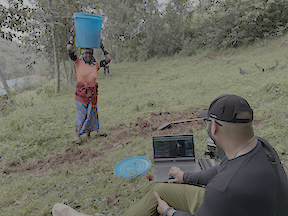
The biomechanics of carrying, digging, throwing
Promoting physical activity among college students
Studying the physical activity transition in non-industrial countries
Evolutionary Medicine
Many of our research questions are motivated by the value of using evolutionary theory and data to understand new, better ways to prevent and treat mismatch diseases. These currently include:
- Flat feet (also high arched feet)
- Running injuries
- Sarcopenia (age-related muscle loss)
- Lower back pain
- Relative Energy Deficiency in Sport Syndrome (RED-S, formerly known as Female Athlete Triad Syndrome)
- Cardiometabolic disease including hypertension
- Mental health associated with inactivity
Physical Activity Transition in Rwanda
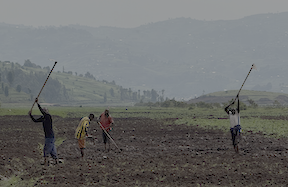
We collaborate with the University of Global Health Equity in Rwanda (Dr Denis Regnier) to study the ongoing Physical Activity Transition there. What happens to the body when people transition from being rural farmers who grow their food and do other activities without machines, plumbing, electricity and other labor-saving technology, to more sedentary occupations in urban settings?
Research foci of this project include:
Metabolism and energy budgets
Ovarian function
Cardiometabolic health (e.g. hypertension)
Aging, especially muscle loss
Lower back pain
Attitudes towards physical activity and exercise